






Hagerstown has always been a city where people take their valuables seriously, and selling gold here is no different. Whether you inherited a piece that no longer fits your style, have broken chains sitting in a drawer, or simply want to turn unused jewelry into real money, knowing where to go and what to expect makes all the difference. The gold market rewards those who show up informed, and that is exactly what this guide is designed to help you do.

Not every buyer in town operates with the same transparency or pays the same rates. When you are thinking about selling gold in Hagerstown, the experience should feel straightforward, fair, and respectful of what your pieces are actually worth.
What Happens When You Walk Through Our Door
From the moment you arrive, our process is designed to remove the guesswork. We examine each piece carefully, explain our evaluation in plain language, and make sure you leave with a clear understanding of the offer before you ever make a decision. We are one of the most trusted gold buyers in Hagerstown, MD, and that reputation was earned one honest transaction at a time.
We also recognize that selling gold is personal. Some pieces carry history. Others are simply metal that has been sitting unused. Whatever your situation, we treat the conversation with care. If a piece holds sentimental value and you are unsure about selling, we may be able to point you toward our custom engraving services as a way to give it a new life rather than letting it go.
Getting Cash for Gold in Hagerstown the Right Way
The phrase "cash for gold in Hagerstown" gets searched often, and for good reason. People want liquidity, and gold is one of the most consistently valuable assets a person can hold. When you bring gold to us, the payout is determined by weight, purity, and current market rates. We measure precisely, reference live spot prices, and show our work.
This matters because not all buyers do this. Some use outdated scales or opaque pricing that leaves sellers guessing. We believe the opposite approach builds trust and keeps people coming back, whether they are selling once or making it a regular practice. If you have questions about what to bring or how the process works, our contact page is always open.
Gold and Silver Exchange
Many people come in holding gold but leave having learned that other metals in their collection also carry value. Our gold and silver exchange covers a wide range of precious metals, including sterling silver flatware, silver coins, white gold settings, and more. If you have a mix of pieces and are not sure which ones qualify, bring everything. We will sort through it with you.
Understanding the value of what you have is part of the process. Gold jewelry often contains stones or secondary metals that affect how a piece is evaluated. We take time to separate and assess each element properly, which means you get an accurate picture rather than a flat offer that undervalues part of what you brought in.
Sell Scrap Gold in Maryland Without the Stress
Scrap gold is a category that confuses a lot of people. Broken necklaces, single earrings, mismatched pieces, bent rings, and gold fillings all fall into this category. The word "scrap" can make it sound worthless, but that is far from the truth. If you are looking to sell scrap gold in Maryland, The Jewelry Shop is equipped to evaluate even the most worn or damaged pieces at fair market value.
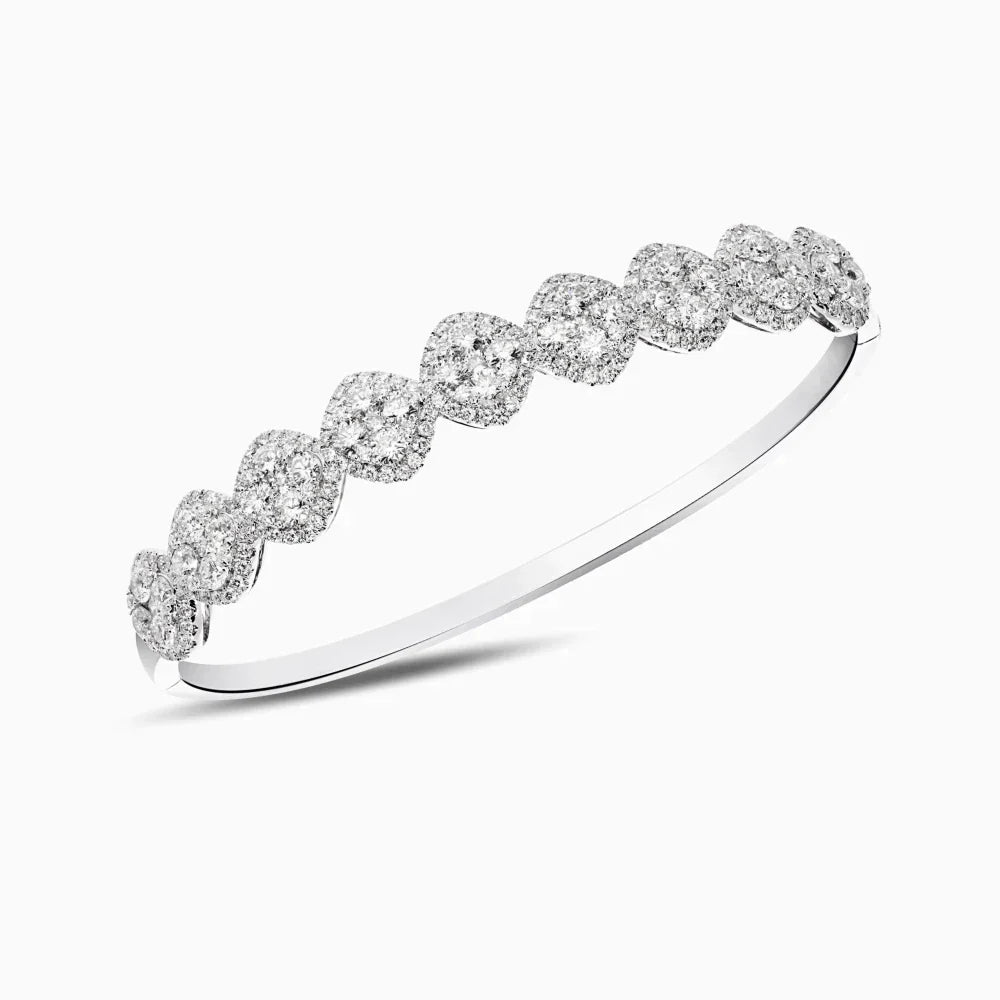
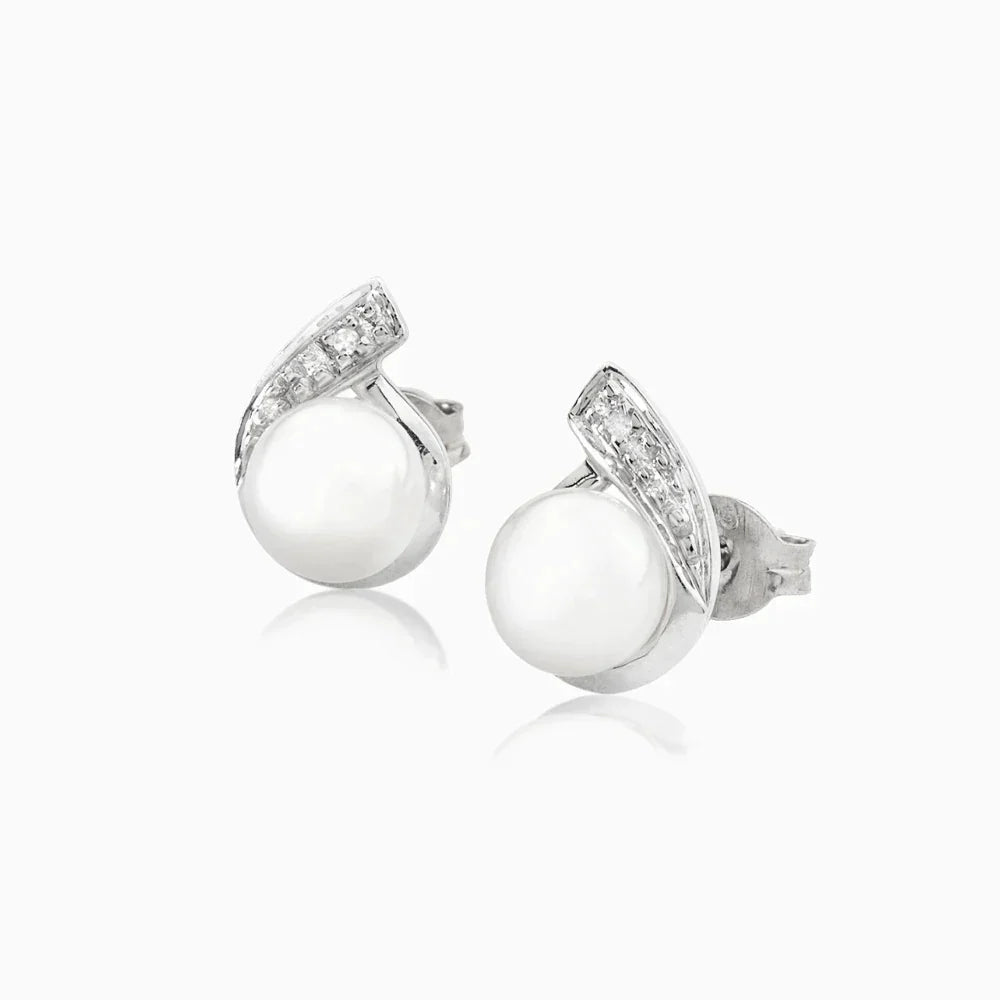
While you are here, you are also welcome to browse what we carry. Our earrings collection and bracelets collection feature pieces crafted from high-quality metals, and some of our customers use the proceeds from selling scrap gold to invest in something new. It is a satisfying kind of trade.
When You Are Ready to Sell
If you have been on the fence, the best next step is simply to bring your pieces in for a no-obligation evaluation. There is no requirement to sell, and there is no fee for the assessment. We want you to feel informed and confident before any decision is made.
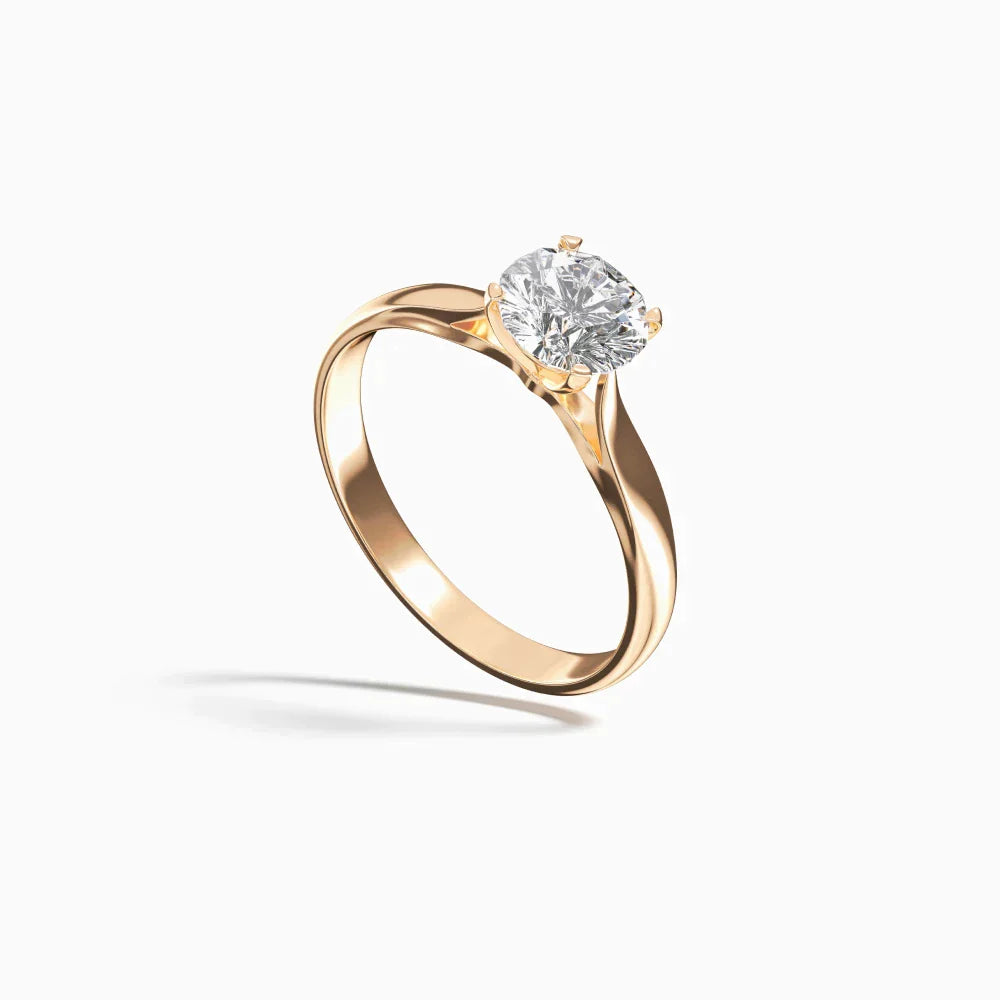
At The Jewelry Shop, we have spent years building relationships with customers across the Hagerstown area who trust us with their most valuable possessions. Whether you are selling a single ring or a full collection, we bring the same level of attention and integrity to every transaction. We are also a destination for those planning ahead. If you are working toward an engagement or milestone purchase, our bridal collection is full of stunning options worth exploring while you are here. Stop in, bring your gold, and let us show you what a fair and transparent experience actually looks like.
FAQs
How do I check my jewelry for gold hallmarks and stamps?
Look for small stamps on the inner band of rings or near the clasp on necklaces. Numbers like 375, 585, 750, or 999 indicate 9K, 14K, 18K, and 24K gold. A magnifying glass helps, since marks are often tiny. If no stamp is visible, a professional can test the piece directly.
What is the difference between 14-karat and 24-karat gold jewelry?
24K gold is 99.9% pure but soft and prone to scratching, making it impractical for everyday wear. 14K gold is 58.3% pure gold mixed with stronger metals like copper or silver, offering durability without sacrificing much value. It remains the most popular choice for rings and bracelets.
How can I safely test at home if my gold necklace is real?
Try rubbing the piece on an unglazed ceramic tile. Real gold leaves a yellow streak; fake or plated pieces leave black or gray marks. A magnet test also helps since real gold is not magnetic. Neither method is definitive, so professional testing is always the most reliable option.
What are the most common markings found on gold bracelets and rings?
Karat stamps like 10K, 14K, 18K, and 22K are most common in the US. European pieces use fineness numbers such as 585 for 14K or 750 for 18K. Stamps reading "GF" (gold filled) or "GP" (gold plated) indicate a base metal with a gold coating, which significantly affects value.
Should I clean my gold jewelry before bringing it to an appraiser?
A gentle rinse with warm water and a soft cloth is fine. Avoid harsh chemicals or scrubbing, which can damage stones or strip plating. Do not attempt to polish out scratches before an appraisal, as buyers assess pieces in their natural condition, and amateur alterations can work against you.