











What Exactly is Diamond Carat Weight?
When shopping for a diamond, one of the first terms you’ll encounter is carat weight. It’s often seen as the measure of a diamond’s size, but the truth is there’s much more to it than meets the eye. Understanding diamond carat is essential to making an informed decision about your jewelry purchase, ensuring you find a stone that reflects both your taste and your budget.
At The Jewelry Shop, we believe that education is key to confident purchasing. In this guide, we’ll break down what diamond carat weight really means, how it affects a diamond’s appearance and price, and how it interacts with the other 4Cs of diamonds to define overall quality.

What Is Diamond Carat?
The word “carat” refers to the unit of measurement used to describe a diamond’s weight, not its size. One carat equals 200 milligrams, or 0.2 grams. For comparison, that’s about the weight of a single paperclip.
Diamonds are often measured to the hundredth of a carat (for example, 1.25 ct or 0.75 ct), because even the slightest difference in weight can significantly impact the stone’s price. However, carat weight alone doesn’t determine how large a diamond looks. The stone’s cut and proportions can make a one-carat diamond appear larger or smaller than another of the same weight.
You can explore our Loose Diamonds collection to see how different carat weights appear in various cuts and settings.
The History Behind the “Carat”
The term “carat” has fascinating origins. It comes from the carob seed, which was historically used as a unit of weight by ancient traders. Because carob seeds were known for their remarkably consistent mass, they served as a natural benchmark for weighing gemstones and precious metals.
Over time, the carat became standardized, and today it’s the universal unit of measurement for diamond and gemstone weight worldwide. This standardization ensures consistency, so when you compare diamonds at The Jewelry Shop, you know each carat weight is measured with precision and accuracy.
Does Higher Carat Mean a Better Diamond?
It’s a common misconception that a higher carat weight automatically means a better diamond. While larger diamonds are rarer and therefore more expensive, carat weight alone doesn’t determine beauty or brilliance.
A diamond’s cut quality plays a critical role in how it interacts with light, influencing how much sparkle and fire it displays. A poorly cut two-carat diamond might appear dull next to a well-cut one-carat stone that radiates with brilliance.
That’s why jewelers and gemologists rely on the 4Cs of diamonds (carat, cut, color, and clarity) to assess overall quality. If you’d like to learn more about how these elements work together, visit our Essential Guide to the 4Cs of Diamonds.

Carat Weight and Diamond Size: The Visual Difference
Although carats measure weight, many people use them as a visual reference for size. However, two diamonds with the same carat weight can appear differently depending on their shape and cut style.
For instance:
- Round Brilliant Cuts are designed to maximize sparkle, often making them look slightly smaller from the top than elongated shapes.
- Oval, Marquise, or Pear Cuts have larger surface areas, giving the illusion of a bigger stone even at the same carat weight.
- Princess or Cushion Cuts may appear more compact due to deeper proportions.
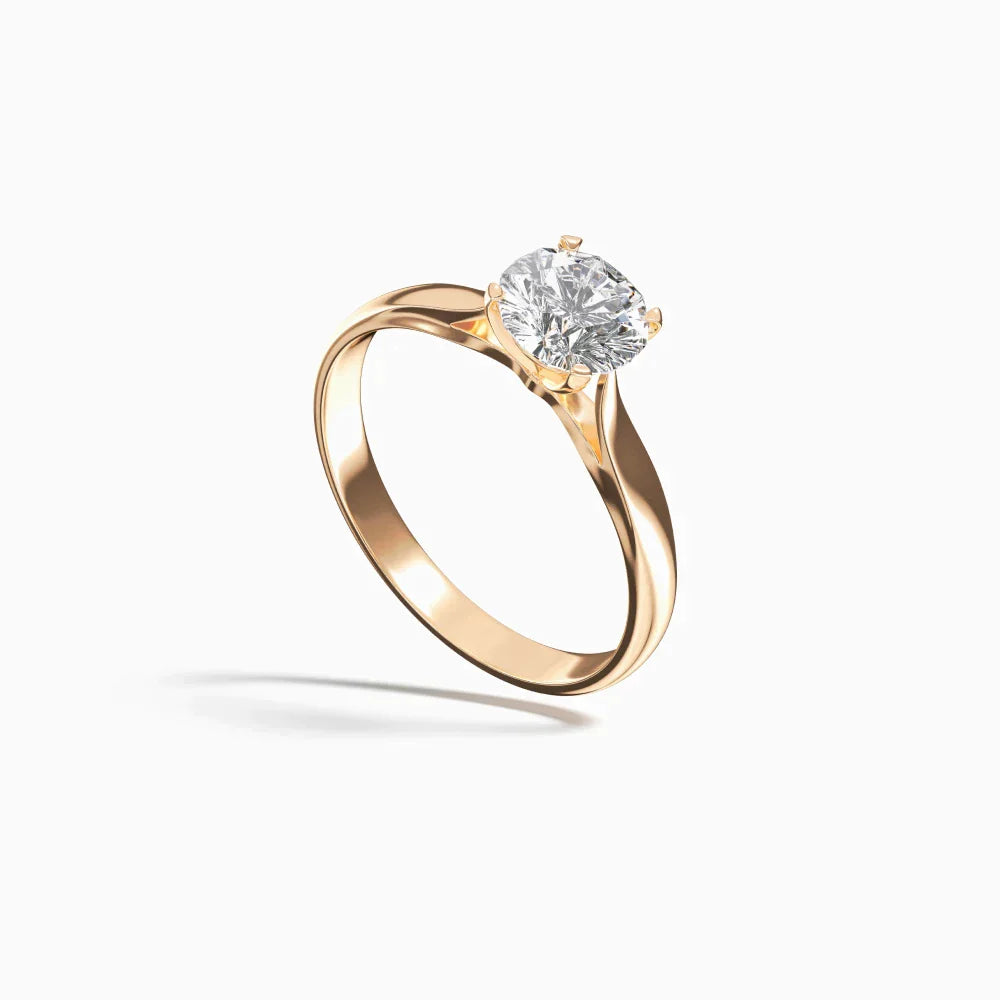
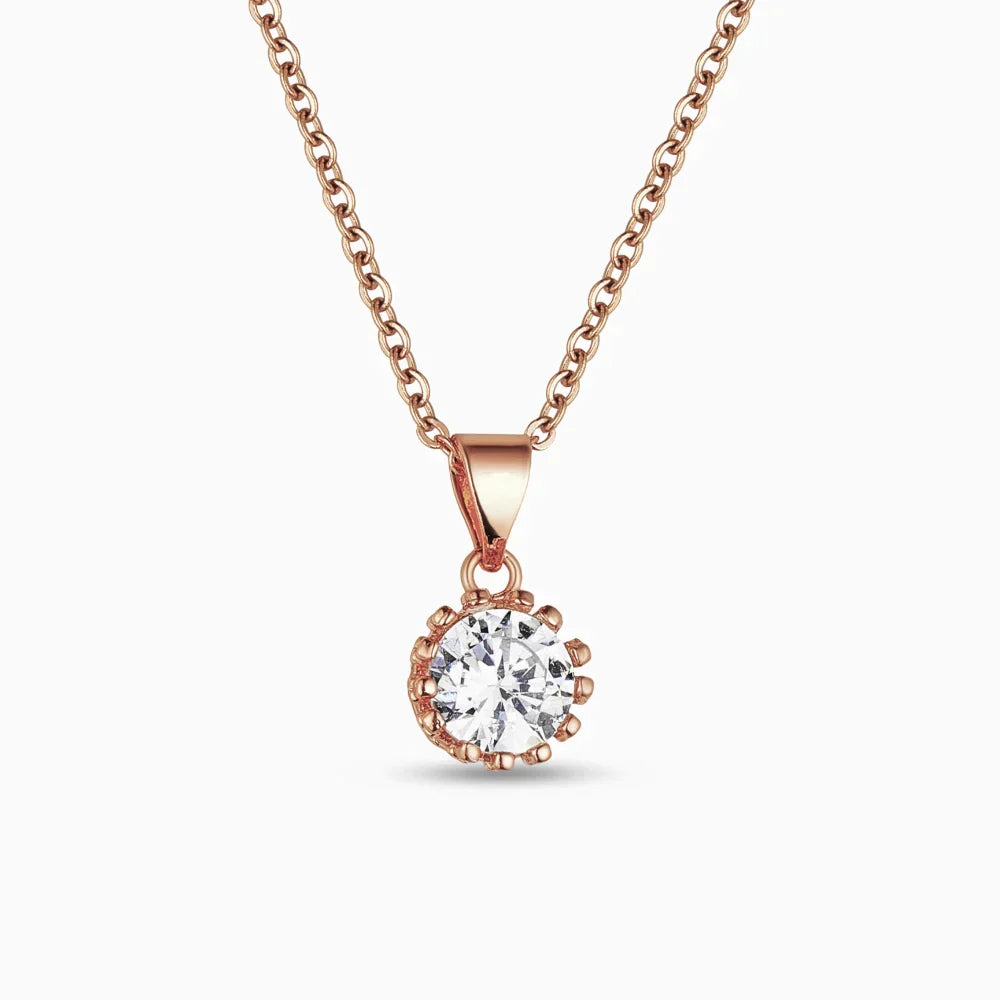
When you’re selecting an engagement ring or pendant, it’s helpful to compare shapes and settings side by side. A slender band or halo design, for example, can make a smaller diamond appear significantly larger.
At The Jewelry Shop, our experts can guide you through these nuances to help you find the diamond that looks beautiful on your hand, not just on paper.
How Carat Weight Affects Price
Carat weight has one of the strongest influences on a diamond’s price, but it’s not a simple linear scale. Diamond prices increase exponentially with size because larger rough diamonds are much rarer in nature.
This means a two-carat diamond may cost more than twice the price of a one-carat diamond of the same quality. However, savvy shoppers often find “sweet spots” just below popular weight thresholds; for instance, choosing a 0.90-carat instead of a full carat can offer nearly identical visual size at a more accessible price point.
At The Jewelry Shop, we help clients balance carat weight with cut, color, and clarity to get the best value without compromising beauty.
Choosing the Right Carat for You
Ultimately, the “right” carat weight depends on your personal preferences, lifestyle, and budget. Consider the following tips when making your choice:
- Focus on balance. A well-cut diamond of a slightly smaller carat can often look more stunning than a heavier one with lower sparkle.
- Think about proportions. Your hand size and finger shape can influence which carat weight looks most flattering.
- Don’t chase numbers. Instead of aiming for a specific weight, focus on how the diamond makes you feel.
If you’re uncertain where to begin, our experts at The Jewelry Shop can provide personalized recommendations based on your style, desired setting, and budget.
Find Your Ideal Diamond at The Jewelry Shop
Understanding diamond carat weight is the first step toward choosing a piece that truly reflects your story. Whether you’re searching for an engagement ring, pendant, or a custom design, understanding how carats affect beauty and value empowers you to shop with confidence.
At The Jewelry Shop, we take pride in guiding clients through every detail of diamond selection. We can help you make an informed, inspired choice and find a diamond that shines as brightly as your love.