
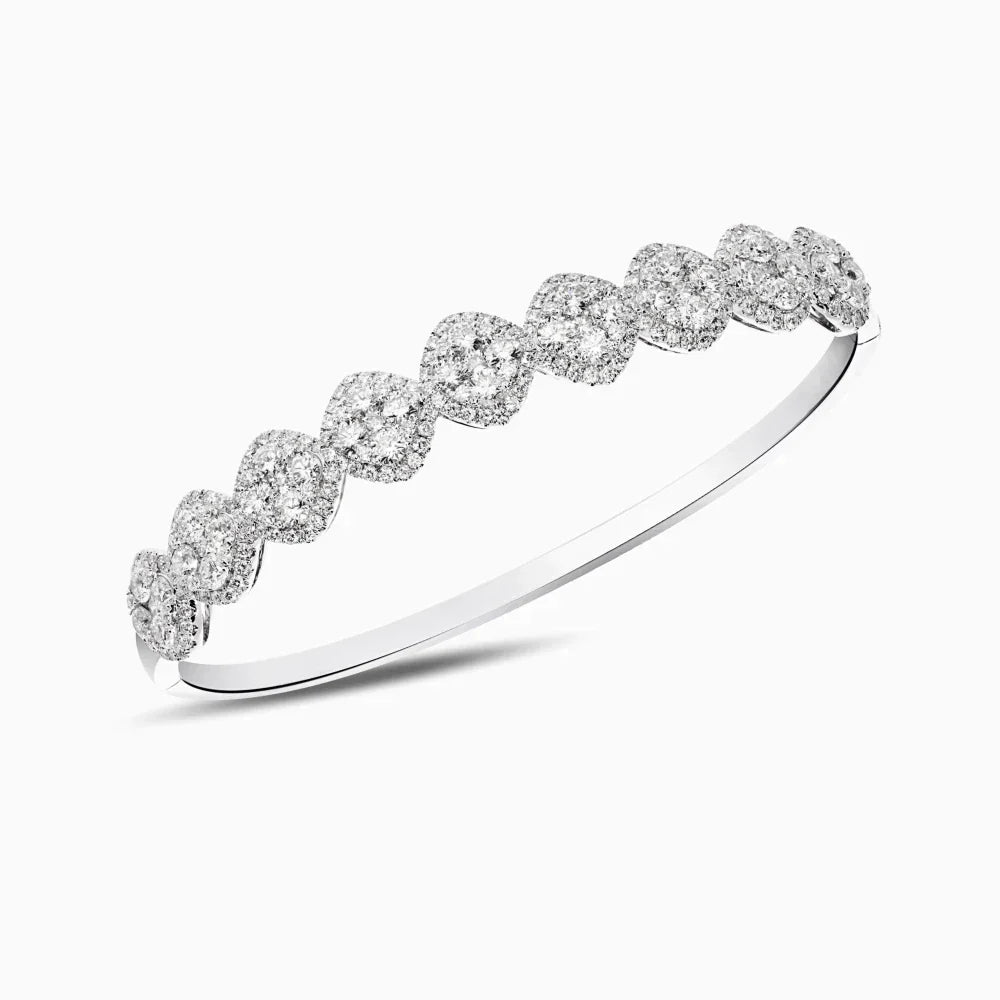
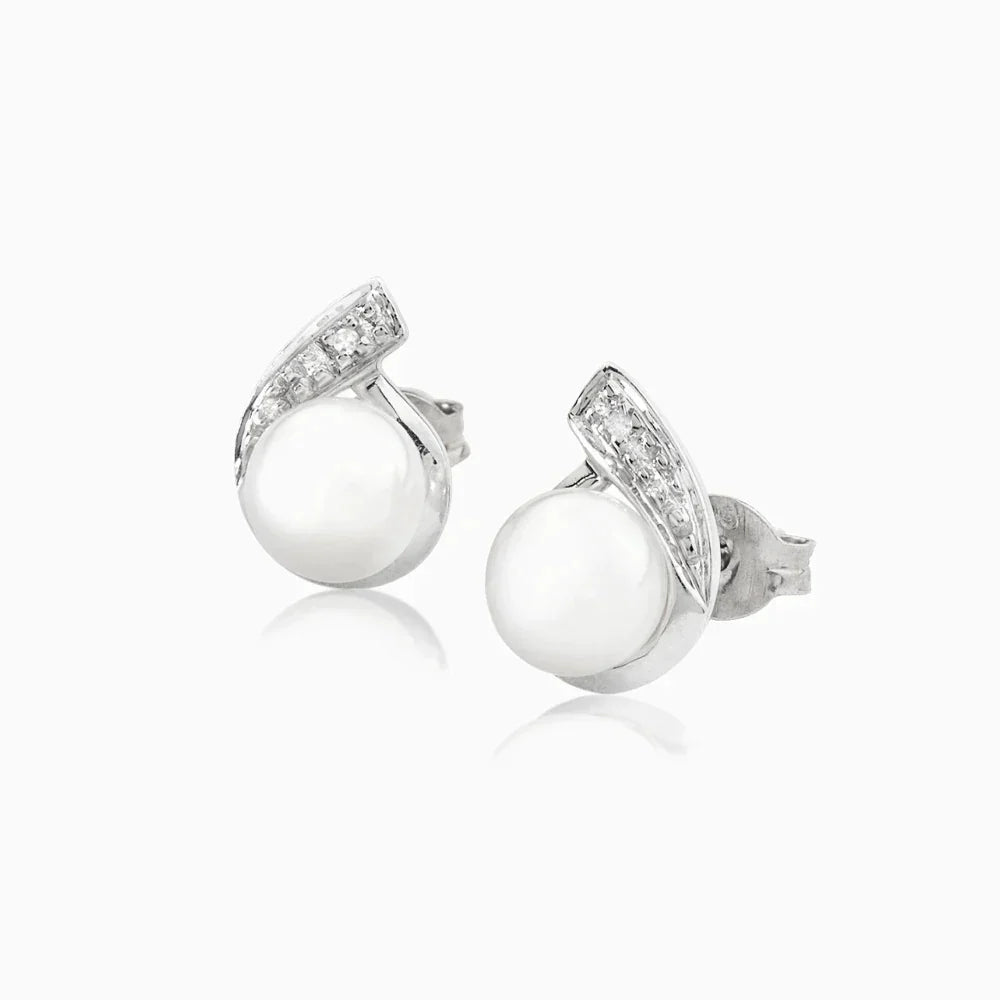
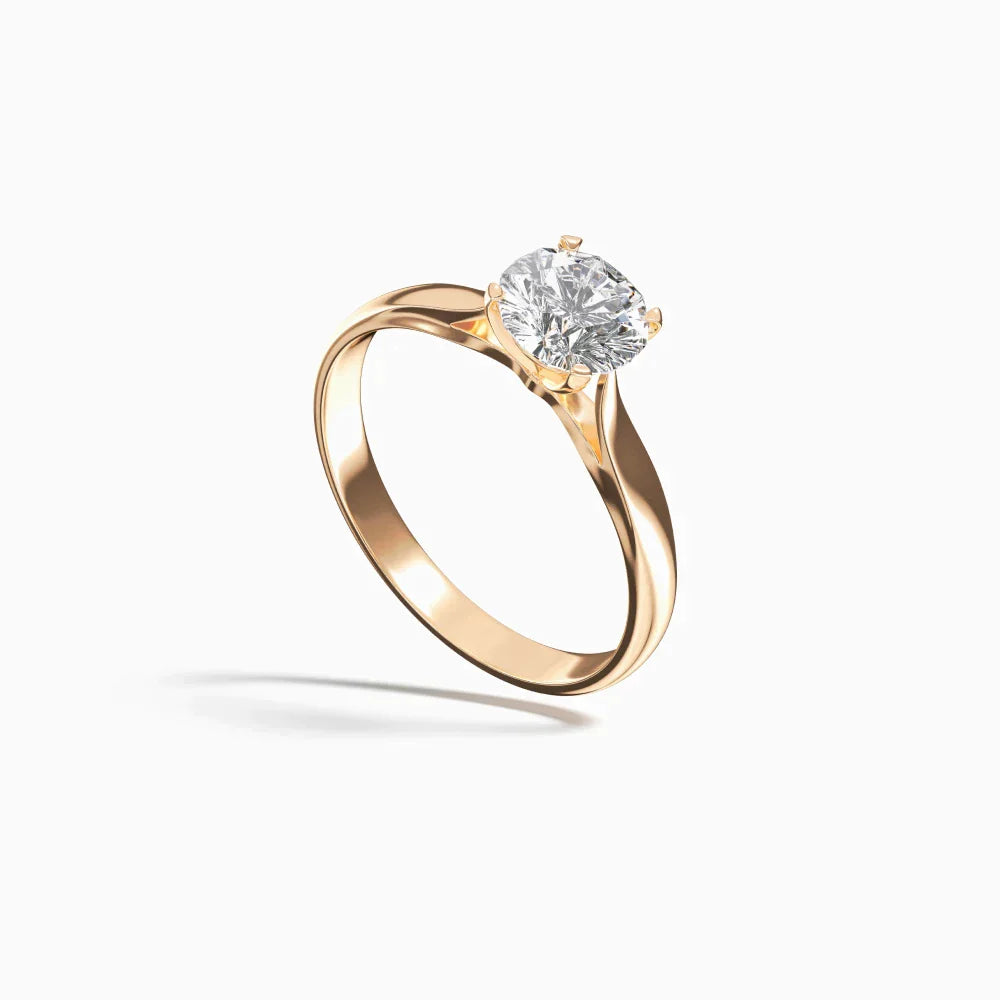
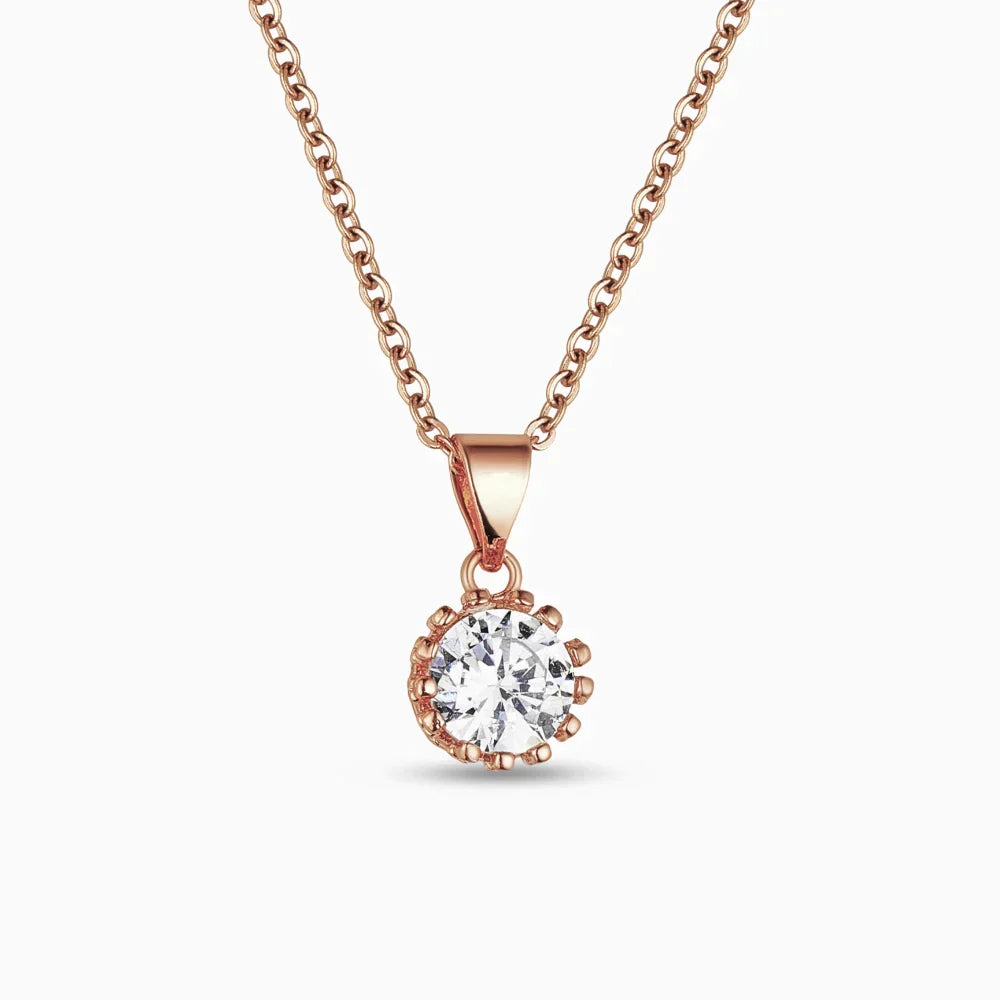









An engraved line changes what a piece of jewelry is for. A ring without an inscription is an object of taste; a ring with one becomes an object of memory, tied to a date, a name, or a private joke that only two people understand. That shift from ornament to record is what custom jewelry engraving actually does, and it happens in a matter of minutes at the bench.
Franklin County has a long tradition of marking jewelry this way, and we continue that practice with the same hand tools and the same attention that the trade has always required, working directly with clients who want their pieces personalized rather than mass-produced.

What Custom Jewelry Engraving Actually Involves

Engraving is a subtractive process. A tool, whether a hand graver or a computer-guided rotary system, removes a thin channel of metal to form each letter or symbol. Depth matters more than most people expect: too shallow, and the inscription wears away within a few years of daily contact; too deep, and it can weaken a thin band or the inside curve of a pendant necklace. The right depth depends on the alloy, the wall thickness of the piece, and where the design sits relative to stress points like a ring's shank.
Font choice carries its own logic. Block lettering holds up better on a narrow surface, which is why it tends to appear on bracelets and dog tags rather than delicate chains. Coordinates, a single initial, and a fingerprint reproduced in miniature: each of these asks something different of the tool and the metal.
Choosing Between a Ring, a Pendant, or Something Else
A personalized engraved ring is usually inscribed on the inside of the band, out of sight during the day and visible only when removed, which is part of the appeal for an engagement or wedding piece. An engraved pendant necklace works differently: the inscription often sits on the back of the pendant, facing the wearer's skin rather than the world, so the message stays private even when the piece is on full display. Earrings and cufflinks take engraving less often, mostly because their surfaces are small, but a pair marked with initials or a short date remains one of the more understated gift choices in personalized jewelery.
What Makes an Inscription Last
Gold and platinum hold an engraved line cleanly for decades because the metal is soft enough to cut without cracking and dense enough to resist wear. Sterling silver and gold-filled pieces need more care, since the plating or the metal itself is thinner. A good jeweler will tell a client this before cutting, not after, and will recommend the alloy that suits the piece's daily use rather than the one that is easiest to engrave.
Visit The Jewelry Shop for Custom Engraving
The Jewelry Shop has served Franklin County since 1983, and custom engraving remains one of the services clients return for most, whether the piece is a new ring purchased in store or a family heirloom coming in for a second inscription. Stop by the Greencastle location or call ahead to discuss lettering, placement, and metal before committing a piece to the graver.
FAQs
What should I avoid engraving on a ring?
Anything too long for the band's width, since cramped lettering becomes illegible within a few years of wear. Overly personal information meant for public display is also worth reconsidering, given that a ring is visible to far more people than a pendant worn close to the skin.
What kind of jewelry can be engraved?
Rings, bracelets, pendants, watches, and flatware all take engraving well. Thin chains and hollow pieces are the exceptions, since there is rarely enough metal to cut into without risking a weak point.
What are some famous examples of engraving?
The interior of wedding bands carrying a spouse's name and date is the most enduring tradition, but engraved pocket watches passed between generations and inscribed military dog tags are both well-documented examples of how a short line of text can outlast the person who requested it.
What are some unique engraved gift ideas?
A coordinate pair marking where a couple met, a child's handwriting reproduced on a pendant, or a short line from a letter set into the inside of a band all move an inscription away from the expected initials and dates toward something specific to the two people involved.