












Open most women's jewelry boxes and the same pattern shows up: a handful of earrings worn constantly, a larger group worn rarely, and one or two pairs saved for a single kind of night. That imbalance usually comes down to one thing, a collection built around what looked good in the store rather than what the calendar actually demands.
How to choose earrings that hold up across a full week, from a Tuesday meeting to a Saturday wedding, starts with treating the earring as a functional decision first and a beauty decision second.
The Core Pairs

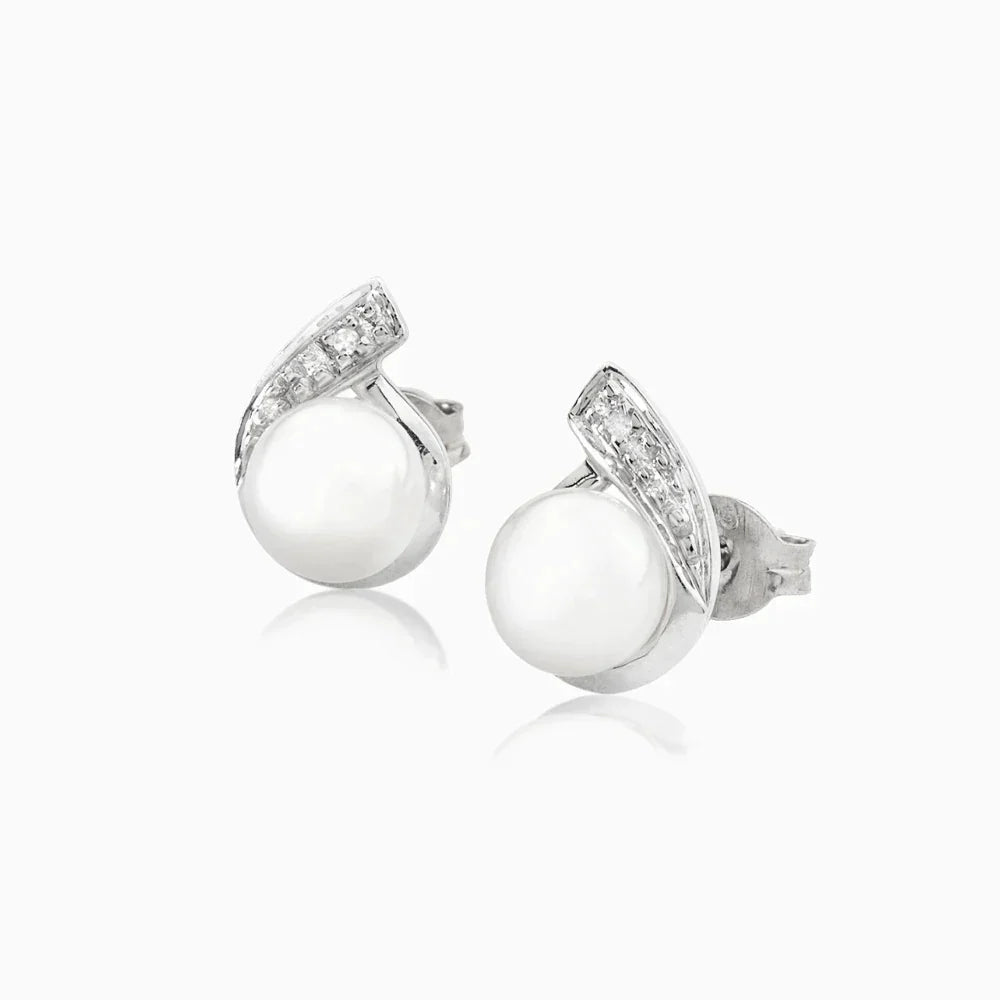
Every working collection starts with a diamond stud. A round brilliant, a quarter to half a carat, set low enough on the lobe that it survives a phone call without catching on anything. It reads as finished without asking for attention, which makes it the piece that goes on when a woman isn't thinking about her earrings at all.

A hoop earns its place next, but size determines its job. Anything under an inch behaves like a daytime stud with a little more presence. Past an inch and a half, a hoop shifts into evening territory, catching light and motion in a way a fixed piece never will.

Then comes the piece that actually varies by season and event: the drop. Sapphire, garnet, citrine, or whatever carries color into a room, this is where earrings for different occasions stop being a phrase and start being a decision about what a specific dress or a specific event calls for.
Reading the Occasion
Formality sorts earrings faster than any other filter. Office hours and errands favor small, close-set pieces, since anything with length or movement tends to catch on scarves and coat collars over the course of a day. Evening events reverse that logic entirely, rewarding length and stone because nothing about a dinner table or a dance floor punishes a longer earring the way a workday does.
Neckline changes the math further. A turtleneck or a high collar leaves the neck covered, so a longer earring becomes the only piece of jewelry doing visible work. A strapless gown does the opposite, opening the shoulders and collarbone, which usually calls for something smaller and denser rather than a long drop competing with bare skin. Brides working through this exact question often start at the bridal jewelry collection, where earring pairings sit alongside the rings and bands they're already considering.
Hair matters too, though it gets less credit. An earring behind loose hair might as well not exist and reappears the moment that hair goes up. This is part of why formal events with an updo tend to pull toward drops and chandeliers rather than studs.
Visit The Jewelry Shop
Choosing must-have earrings rarely resolves on a screen. Metal color shifts under different light, and a drop that looks right in a photo can sit wrong against an actual neckline. The Jewelry Shop has served Greencastle since 1983, and a visit to the showroom remains the surest way to see how a pair actually behaves against your coloring, your hair, and the events already on your calendar.
FAQ’s
What essential earring styles should every woman own?
A diamond stud, a small hoop, and one gemstone drop cover the majority of situations that come up in a normal year. The stud handles daily wear, the hoop bridges casual and semi-formal settings, and the drop carries the color and length that evening events reward.
How do I choose the right earrings for different occasions?
Start with how formal the event is, then adjust for the neckline and hairstyle. Daytime and office settings favor smaller, closer-set pieces, while evening events, especially with an updo or an open neckline, give longer, more detailed earrings room to work.
Which earring styles work best for everyday wear?
Studs and small huggie hoops hold up best day to day. They sit close to the lobe, resist catching on collars or scarves, and read as polished without demanding attention.
How do I match my earrings to my outfit's neckline?
A covered neckline, like a turtleneck or high collar, pairs well with a longer earring since the neck itself carries no jewelry. An open neckline, like strapless or off-shoulder, pairs better with smaller, denser earrings that don't compete with visible shoulders and collarbones.